Budgeting & Money Management: Practical Tools for Everyday Finances
Practical tools for everyday money: budgeting, saving, banking, building an emergency fund, and the mindset that keeps it all on track.
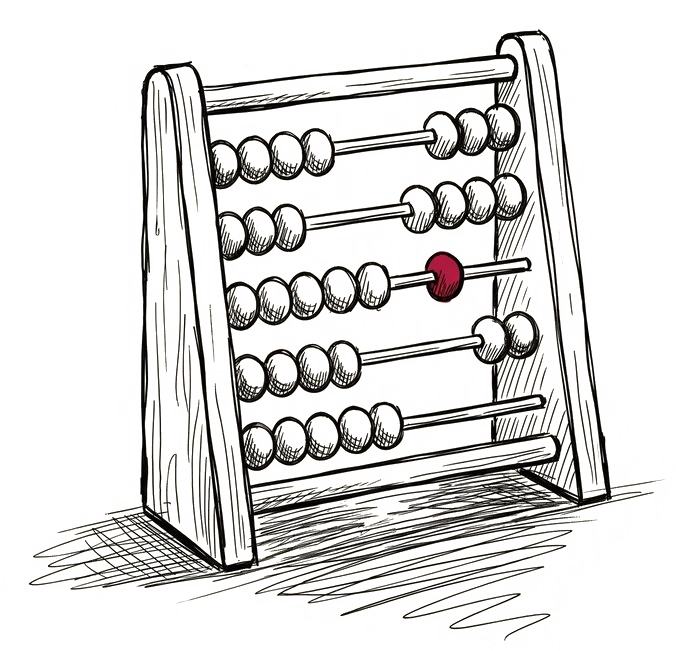
Where are you with your budget?
Start with the situation that best matches yours.
-
I need a budget that actually works
Find a budgeting method and tools that fit how you live, then build a budget you can stick with.
Explore budgeting methods -
I want a cushion for emergencies
Learn how much to save, where to keep it, and how to build savings even while paying down debt.
Start an emergency fund -
I want to spend less without feeling deprived
Everyday habits, frugal swaps and small changes that add up over time.
Find ways to spend less -
My budget can't keep up with my debt
If your payments are eating up your budget, it may be time to look at the debt itself.
Explore debt-relief options
Budgeting Tools & Methods
The systems and apps that make budgeting easier to actually stick with, from zero-based budgeting to the best Canadian budgeting apps.
- Start here
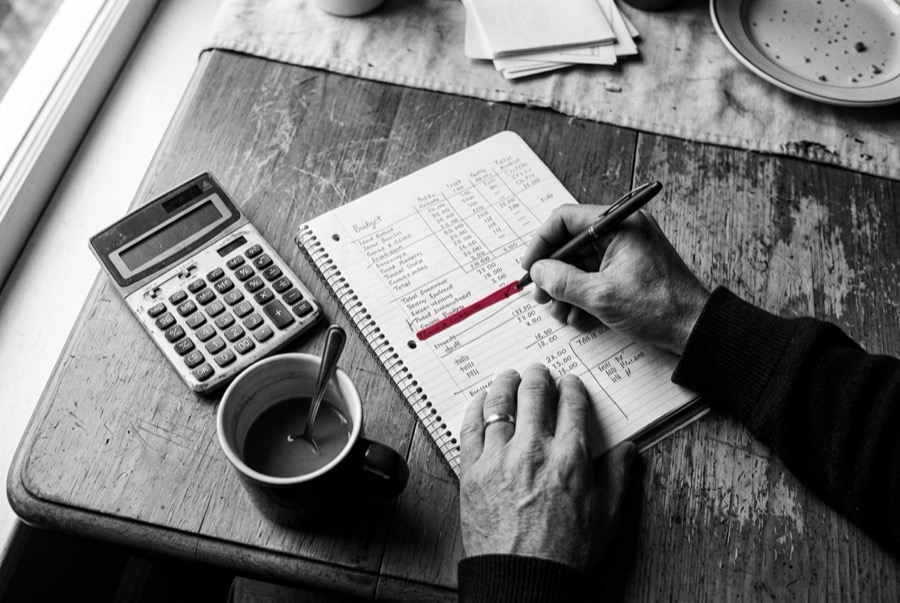
Budgeting Basics: Get More Control Of Your Finances
The building blocks of a budget, and how to take control of where your money goes.
Read the guide - Start here
Financial Literacy Month: Your Complete Guide To Creating a Budget
A step-by-step walk through setting up a budget from scratch.
Read the guide
- Discover the best budgeting apps for Canadians
- Types of Budget and Budgeting Tracking Systems
- Zero-Based Budgeting: Every Dollar Matters
More on Budgeting Tools & Methods16
- How To Budget and Save for Your Upcoming Wedding
- Incremental Budgeting: Gaining Capital Over Time
- Cash Flow Management: How Much of a Budget Buffer is Best
- Determining Where to Cut Back When You are Making a Budget
- Your Food Budget
- Loud budgeting: Normalizing talking about money
- Activity-Based Budgeting: Time is Money
- Easter ideas: make it good on a budget
- Biggest Monthly Budget Missteps
- Couples and Money: End the Budgeting Bickering
- Reverse budgeting: Value driven money management
- Christmas shopping on a budget: keep it affordable
- AI’s influence on the household budget
- Getting Back on Track with Your Budget
- Valentine’s Day on a budget doesn't mean being cheap
- Holiday spending: How to prevent emotions taking over your budget
Saving & Emergency Funds
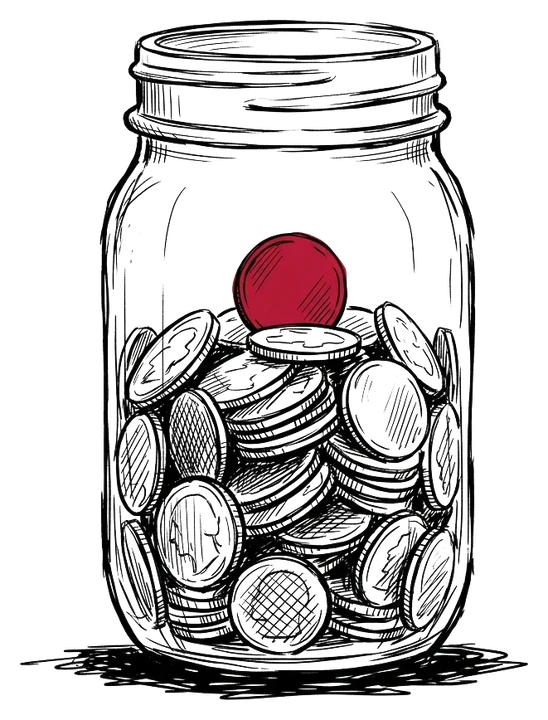
An emergency fund is the single most effective buffer against debt. Here's how to build one, where to keep it, and how much is actually enough.
- Start here
Best Places to Keep Your Emergency Fund
Where to keep your emergency savings so it's safe and easy to reach.
Read the guide - Start here
Saving While Being In Debt
How to build a cushion even while you're paying down what you owe.
Read the guide
- Sinking Fund: The simple money strategy most people overlook
- High-Interest Savings Account vs. GIC: A guide
- Soft saving: Everything you need to know
More on Saving & Emergency Funds3
Build a budget in four steps
A budget doesn't have to be complicated. A simple plan you actually follow gets you further than a perfect one you give up on.
-
Track
Look at the last month or two of spending so you know where your money really goes.
-
Choose a method
Pick an approach that suits you, from zero-based budgeting to an app that does the math.
-
Build a cushion
Set aside a little each payday for surprises, so one unexpected bill doesn't land on a credit card.
-
Review and adjust
Check in each month. Life changes, and your budget should change with it.
Everyday Money & Frugal Living
Practical, low-effort ways to spend less without feeling deprived: the everyday habits that add up.

- Start here
Money Management: Make Your Money Count
Simple money habits that help every dollar go further.
Read the guide - Start here
Boost your finances with a no-spend month challenge
How a no-spend month works, and how to make it stick.
Read the guide
- Frugal vs Cheap: where do you draw the line?
- Impulse Buying: Cause and Effect
- Managing Finances When You’re Laid Off
More on Everyday Money & Frugal Living27
- Looking for Cheap Hobbies?
- Understanding the spendthrift mindset
- Things You Should Always Buy at a Dollar Store
- What To Do With A Financial Windfall: Bonus And Birthday Cash
- Canada's Financial Literacy Month: Money Management Tips
- When Impulse Spending Makes Sense
- Buy Nothing: How can I make it work?
- Frugal Dating Without the Embarrassment
- Here’s a Quick Way to Get Focused On Your Financial Goals
- How To Save Money As a Stay at Home Parent
- Frugal Living vs. Big Wins
- Your Debt-to-Income Ratio Explained
- Tough economic climate: Getting ahead of potential financial problems
- Keeping car costs from cleaning out your wallet
- Get Your Personal Finances Set Up Right For The New Year
- Teaching Financial Literacy To The Youth
- Managing Pet Care Expenses When You're In Debt
- Financial review: A guide
- Setting a financial goal for the New Year
- Should You Buy The Extra Warranty?
- Building A Financial Plan When you're Neurodiverse
- Why teaching kids financial management is just as beneficial for parents as their kids
- How to Prepare for a Financial Crisis
- Get Your Personal Finances on Track: Take Control Now
- Save on Energy and Reduce Your Power Bill
- Money Management With A Variable Income
- Guaranteed Investment Certificates
Life Events & Seasonal Spending
Weddings, holidays, back-to-school: the recurring life events that tend to blow up an otherwise solid budget, and how to plan around them.

- Start here
How Can Canadians Save Money During the Holidays?
Ways to enjoy the holidays without starting the new year in debt.
Read the guide - Start here
Before You Fill the Cart: What to Consider When Back-to-School Shopping
What to think about before the back-to-school list gets long.
Read the guide
- Start here
Your complete guide to opening a bank account in Canada
What you need, and what to compare, before you open an account.
Read the guide - Start here
Banking in Canada: How safe is my money?
How deposit insurance and other safeguards protect your money.
Read the guide
- Banking Fees To Stop Wasting Money On
- Joint Bank Accounts: What You Need to Know
- Canadian Deposit Insurance Company: What is it and how does it protect us?
More on Banking Basics6
- Considering Switching to Digital Banking? Here’s What You Need to Know
- People Want More From Their Banks in Canada, and It’s Not Money
- Things You Need to Consider When Sharing Your Financial Data
- What Is Debanking? Can Your Canadian Bank Really Close Your Account Without Telling You Why?
- Mobile Security Tips to Secure Data When Using Money Apps
- Open Banking: Revolutionizing your finances in Canada (Soon!)
Income & Career Growth
Budgeting isn't only about spending less. Growing what comes in matters just as much, from side income to understanding your pay stub.

- Start here
What's in your pay stub?
A line-by-line look at the deductions on your pay.
Read the guide - Start here
Is a Side Hustle Right for Me?
How to weigh extra income against your time, costs and taxes.
Read the guide
- How to Negotiate a Higher Starting Salary
- Affordable skill building for boosting take-home pay
- The Gig Economy: Get a Gig to Get out of Debt
More on Income & Career Growth7
- Earned Wage Access: A new way to handle your pay
- Financial impacts of a labour union
- Find Relief from Debt by Turning Trash into Cash
- New Laws Affecting Take-Home Pay
- Multi-Level Marketing: The Answer You've Been Looking For?
- Earning Money As A Teenager
- Is More Education Worth it? Do College Graduates Earn More?
Money Mindset & Emotions
The psychological and relational side of money that budgeting templates don't address: financial anxiety, money and relationships, and the mindset shifts that make a budget sustainable.

- Start here
Financial Anxiety: What Is It and Tips for Managing it.
What financial anxiety feels like, and practical ways to ease it.
Read the guide - Start here
Taking back control from your spending triggers
How to spot what drives your spending, and take back control.
Read the guide
- Financial paralysis: What is it and how to move past it
- Lifestyle Inflation: A Wake Up Call
- What everyone needs to know about financial abuse
More on Money Mindset & Emotions22
- The True Cost Of Lending Money To Family
- Financial Hardship: It’s Different This Time
- Retail therapy: When is it a problem, and what to do about it
- Getting Your Significant Other On Board For Financial Planning
- Social media and the part it plays on your financial health
- Ask the Expert: What to do when life gets in the way of keeping on top of bill payments
- Ask the Expert: Navigating the Cost of Divorce
- Ask The Expert: Finding A Personal Financial Planning Solution That Works For You
- Cash management strategies for couples
- Ask the Expert: Connecting Financial Avoidance And Enjoyment
- The Cost of Breaking Up
- Stress Awareness Month in 2026 & Beyond
- Skip the Money Fight this Holiday Season
- Dopamine's Effect on Financial Wellness
- Discerning Between Financial Certifications and Hiring the Right Accredited Professional
- 3 Elements Of Being Financially Self Compassionate
- What is Financial Infidelity and How to Overcome It
- Making sense of girl math: How does it all add up?
- Money Lessons From Dad
- You Don’t Deserve Anything
- Don’t like doing family finances? Advice for making it painless.
- Ask the expert: Unexpectedly responsible for managing money
When a budget isn't enough
If budgeting alone isn't enough to get ahead of existing debt, our free evaluation can help you understand which debt relief options (credit counselling, a debt management plan, consolidation, or something more structured) actually fit your situation.

-
My budget works, I just want to do better
Keep refining your plan, build your savings and look for everyday ways to spend less.
Explore saving tips -
Debt payments are squeezing my budget
It may be worth learning about options such as credit counselling or debt consolidation.
Explore debt-management options -
I can't keep up with my payments
If your bills and minimum payments add up to more than you earn, you may need a more structured option, such as a consumer proposal.
Get a free evaluation
Common questions
What is the easiest way to start a budget?
Start by tracking what comes in and what goes out for a month or two. Once you can see where your money goes, pick a simple method, such as zero-based budgeting or a budgeting app, and adjust as you learn.
Read budgeting basicsHow much should I keep in an emergency fund?
It depends on your situation. Many people aim for three to six months of essential expenses, but even a small cushion of a few hundred dollars can keep a surprise bill off your credit card.
Where to keep your emergency fundShould I save or pay off debt first?
Often it makes sense to do a bit of both: build a small emergency cushion so new surprises don't go on credit, while you keep paying down high-interest debt.
Saving while being in debtWhat if my budget doesn't add up?
If your essential bills and minimum payments are more than your income, cutting back may not be enough on its own. That's a sign to look at the debt itself, and a free evaluation can help you understand your options.
Explore debt-relief optionsHow can couples budget together without fighting?
Talk about goals first, not just numbers. Many couples find it easier to agree on shared expenses and savings, then give each person some money to spend freely.
Couples and moneyTake the next step with your budget
You don't have to have it all figured out. Start with the question you're trying to answer.
If your budget is being stretched by debt you can't comfortably manage, Debt.ca can help you understand your options. A free evaluation can walk you through solutions ranging from credit counselling and debt consolidation to more structured options such as a consumer proposal.
Debt.ca provides information to help Canadians understand their debt and credit options. Your available options depend on your individual financial circumstances.
Not sure where to start?
Talk to a debt expert about your options. It's free, and there's no obligation.