
Have you ever had your finances derailed by a surprise car repair, a forgotten annual bill, or a home repair that couldn’t wait? If you said yes, know that you’re not alone. Unexpected expenses are one of the biggest reasons people fall into debt, drain their savings, or rely on a credit card with a high annual interest rate. The great news is, there’s a simple money tool that can protect your financial stability: a sinking fund.
Adding sinking funds to your personal financial planning is a powerful strategy to make sure that larger expenses don’t blow up your budget. They can make managing your day-to-day finances more straightforward and reduce financial stress.
They are a tool to help you learn how to save money in advance so that when the expense arrives, the funds are ready. Instead of scrambling or using a credit card, you’re prepared.
Let’s walk through what sinking funds are, how to build them, how to maximize them, and how they differ from an emergency fund.
What are sinking funds?
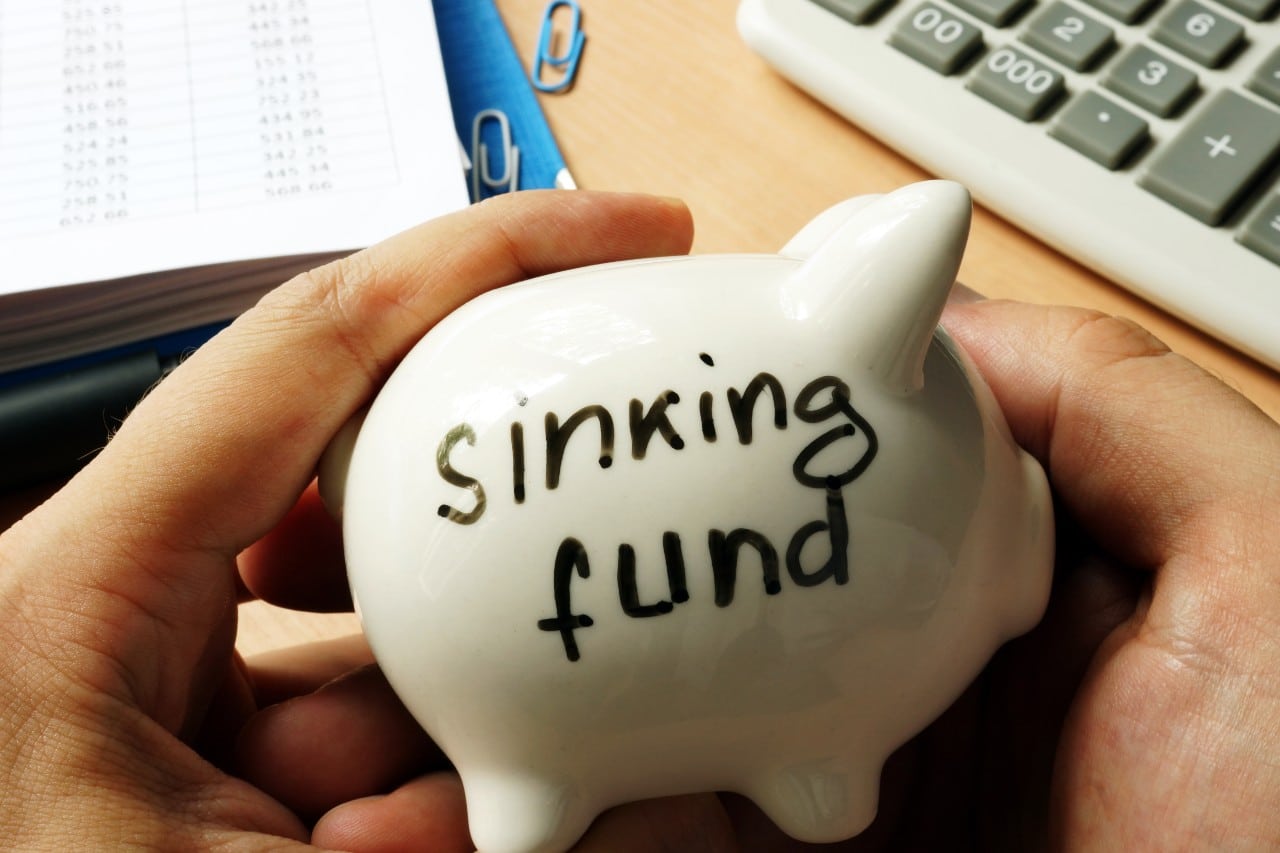
A quick sinking fund definition is money you set aside a little bit at a time for a specific future expense. They prepare you for larger expenses, including ones that can be impossible to predict.
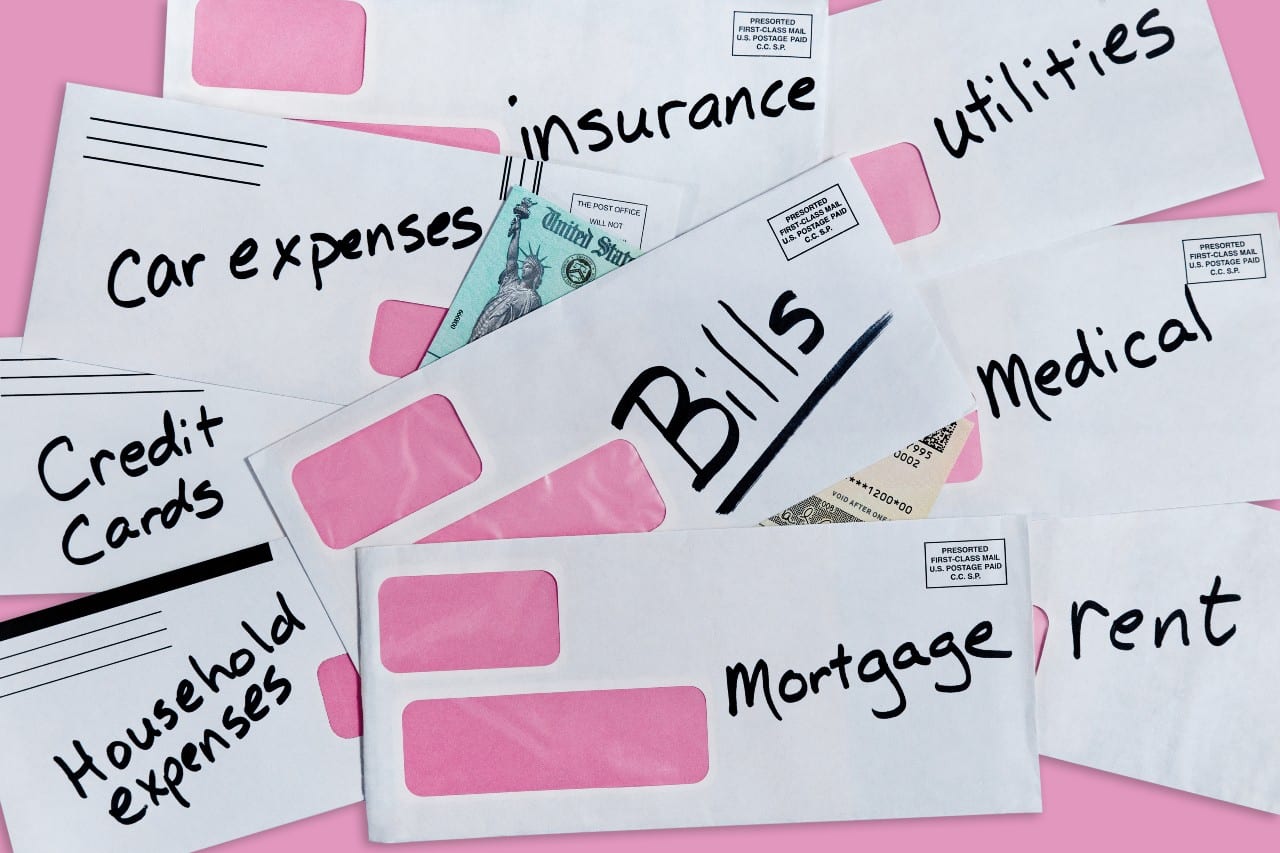
There are a few different expense categories that sinking funds can cover:
Predictable expenses (we know when they’re coming and how much they will be)
- Annual insurance premiums
- Quarterly property taxes
- Vehicle registration fees
Unpredictable expenses (we know they will happen, but not when or how much)
- Car repairs
- Home repairs
- Vet bills
Expenses we have more control over (these also tend to be items we look forward to spending money on)
- Gifting
- Holiday spending
- Travel
Why sinking funds matter
They stabilize your budget
Sinking funds break up large, irregular expenses into manageable chunks. Contributing a small amount regularly prevents major disruptions to your monthly expenses and the need to rely on debt. Think about your last big expense and how it impacted your stress level. How would that have shifted if you had money saved to cover that expense?
They support your financial goals
Whether you’re planning for a vacation or saving for a new appliance, sinking funds help you stay aligned with your savings goals without pulling money away from essentials.
A solid sinking fund strategy is surprisingly helpful when you’re learning how to get out of debt, because they reduce the need for you to add new debt.
They decrease financial stress
Sinking funds offer peace of mind by creating a buffer for life’s inevitable surprises.
Sinking fund vs. Emergency fund
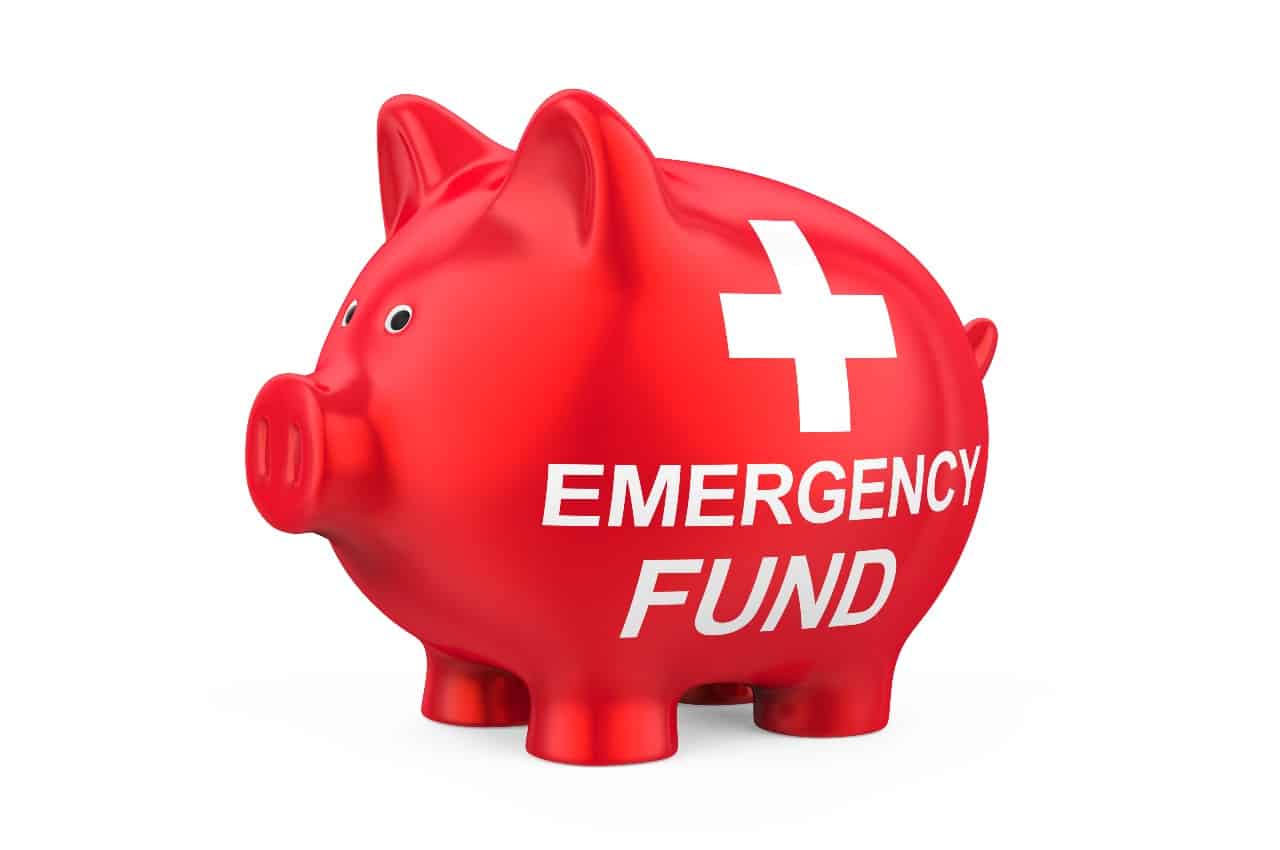
Although both involve setting money aside, they serve different purposes. Sinking funds are there for expenses that we can reasonably expect, even if we don’t know when some of them will come or exactly what they will cost. Emergency funds, on the other hand, are a financial safety net for when life throws you a major setback. For example:
- Job loss
- Medical emergencies
- Major home system failures
- Sudden loss of income
Think of sinking funds as the tool that helps when we hit a speed bump in life, but your emergency savings are there for when life goes way off the tracks.
For clarity, both sinking and emergency funds are different from investment funds (like RRSPs), which focus on long-term growth.
How to build a sinking fund
Step 1
Identify your categories. List the irregular expenses you anticipate over the next 12 months. Take a look back at the examples above to help guide you.
Step 2
Determine the total amount needed. For each category, identify your annual cost or best estimate. This becomes your savings goal.
Step 3
Divide the amount into regular contributions. Break your goal into monthly or per-paycheque contributions. For example:
$1,200 needed for annual car maintenance
Divided monthly = $100
Divided per bi-weekly/semi-monthly paycheque = about $50
Step 4
Build these amounts into your budget. Take a look at your budget and build the sinking fund amounts in. If adding them leaves you short, look for other things you could reduce. You can also do short-term financial sprints like no-spend challenges to help give them a boost.
Step 5
Choose where to store your funds. Many people use separate savings accounts or labelled sub-accounts for each expense type, while others like to combine based on the sinking fund expense type.
A money market account or high-interest savings account may also be beneficial, depending on current interest rates.
As the Bank of Canada rate changes, the annual interest rate on your savings accounts may change. Higher rates mean your sinking funds can grow a little while they sit untouched. If you follow the Bank of Canada interest rate announcements, you’ll be able to anticipate upcoming potential interest rate changes.
Another consideration is how accessible you want/need the funds to be. Sometimes, having them at your main financial institution can mean they are too accessible and visible. Having them at a different bank can keep them accessible but out of sight. This can be helpful if you think you could be tempted to use the funds for spending they aren’t meant to cover.
Step 6
Automate the process. Set automatic transfers from your chequing account to your sinking fund categories. Automation increases consistency and ensures the funds are available when needed.
Step 7
Review and adjust. Revisit your contributions at least annually. Expenses change, and your sinking fund amounts should change with them.
How to maximize sinking funds
Use the right account types
Look for savings accounts with competitive rates. While sinking funds are short-term, a better annual interest rate (APR) still helps your money grow.
Stay consistent
Sinking funds only work when used intentionally. When the relevant expense arises, such as a car repair, use the fund dedicated to that category.
Reallocate when necessary
Some categories may have surplus while others run short. Adjusting your contributions keeps your system effective and realistic.
Take advantage of extra income
Bonuses, tax refunds, or unexpected income can strengthen sinking funds quickly and reduce pressure on your monthly budget.
Wrap up
A well-structured sinking fund system is one of the most effective and low-stress ways to manage irregular expenses. It reduces reliance on credit, supports your money goals, and protects your emergency fund for when you truly need it.