Credit Health: Understanding, Building, and Protecting Your Credit
Your credit is more than a three-digit number. Your credit report and score can affect how lenders evaluate applications, the interest rates you're offered, and other financial decisions.
Where are you with your credit?
Start with the situation that best matches yours.
-
I want to understand my credit
Learn what your credit score and report mean, what affects them, and why your score may not be the same as someone else's.
Explore credit scores and reports -
I want to build or rebuild my credit
Whether you're starting from scratch or recovering from missed payments, learn practical ways to work toward healthier credit.
Learn how to build or rebuild credit -
I want to protect my credit
Learn how to monitor your credit, recognize potential fraud, and respond when something on your credit file doesn't look right.
Learn how to protect your credit -
My credit problems are connected to debt
If high balances or missed payments are making it hard to keep up, improving your credit may mean addressing the underlying debt.
Explore debt-relief options
Understand your credit score and report
Before you can improve your credit, it helps to understand what you are looking at. Your credit score is calculated from information in your credit history, while your credit report holds the details of your accounts and payment history. Different factors affect your score, and the information in your file can change over time.

Start with the basics
- Start here
Understanding Your Credit Score: The Ultimate Guide
A broad overview of how credit scores work, what influences them, and why your score can change.
Read the guide - Start here
Everything You Should Know About Your Credit Report
What a credit report contains, and what to look for when you review your credit history.
Read the guide
Explore credit scores and reports
- What Is a Good Credit Score? Credit scores fall into ranges, and what lenders consider acceptable can vary.
- Credit Ratings Explained: Not a Credit Score Credit ratings and credit scores aren't the same thing. Here is how they differ.
- Why the Mismatch? Credit Score Levels Why the score you see may not match the score a lender or service uses.
- How Credit Card Debt Affects Your Credit Score How your balances and payment history can influence your number.
- Build Credit Through Rent Payments How rent payments may factor into credit-building, and what to know first.
Credit and major life changes
Your credit doesn't exist in isolation. Changes in your household, finances, or stage of life can raise new questions.
Build or rebuild your credit
There isn't one action that instantly creates a strong credit history. Building credit takes time, and rebuilding after financial problems takes patience too. The steps that make sense depend on where you are starting.
Choose your starting point
-
I'm new to credit
With little or no credit history, the question is how to establish credit without taking on more than you can manage.
-
I'm rebuilding after financial problems
Past difficulties don't mean poor credit forever. Learn what rebuilding involves and what to realistically expect.
-
I want to improve the credit I have
With established credit, the goal is improving the factors that influence your score.
More credit-building resources: Financial Literacy Month: Building, Improving, and Maintaining Your Credit Score
Monitor and protect your credit
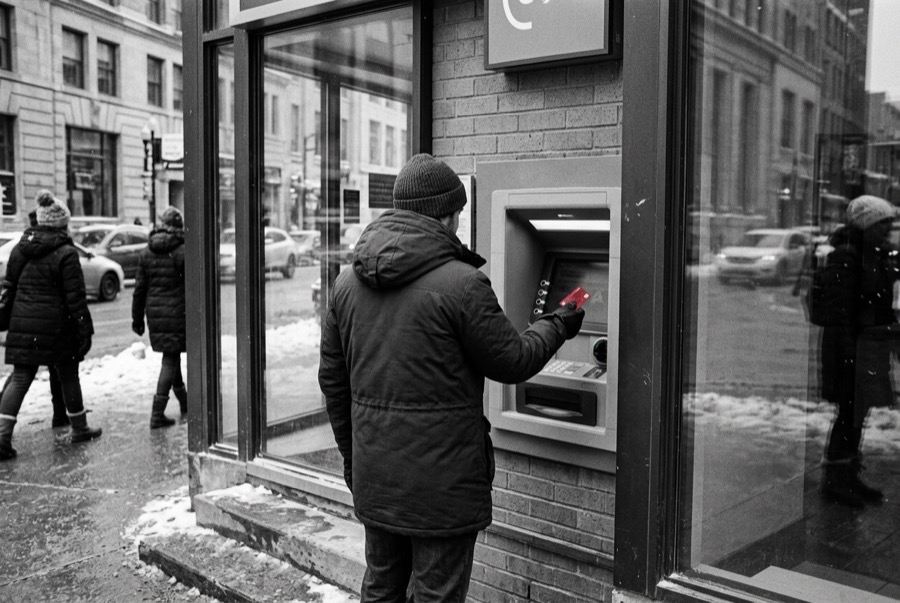
Building healthy credit is only part of the picture. You also want to know what is happening in your credit file, and be ready to act if something looks wrong. A simple way to think about credit protection:
-
Check
Review your credit information regularly so you know what accounts and activity are tied to your name.
-
Monitor
Credit monitoring can alert you to certain changes in your file. Learn what these services do, and whether paying for one is worth it.
-
Protect
Your personal information can be targeted by scammers and identity thieves. Learn practical ways to lower your risk.
-
Act
If you find an unfamiliar transaction, account, or other suspicious activity, acting quickly helps you start addressing it.
Credit and financial hardship
Financial hardship creates credit questions that rarely have simple answers. You may be wondering what happens if you cannot make a payment, enter a forbearance arrangement, carry high balances, or owe money to the CRA. These situations differ, but they share something: the credit issue may be connected to a larger financial problem.

- Does Forbearance Affect Your Credit Score? Putting payments on hold can affect your credit, depending on the circumstances and how it is reported.
- Does Owing the CRA Affect Your Credit? Tax debt and credit reporting can raise different questions from ordinary consumer debt.
- How Does Credit Card Debt Affect Your Credit? Credit card debt can affect your profile through factors such as balances and payment history.
Credit health and debt: what's the connection?
Your credit score matters, but improving it isn't always the first problem to solve. If you are carrying debt you can comfortably manage and paying on time, you may simply need a credit-building or maintenance strategy. But if you are regularly using credit to cover expenses, carrying balances you can't realistically repay, missing payments, or choosing which bills to pay each month, your score may be a symptom of a larger debt problem.

-
I can manage my debt, but I want better credit
Focus on understanding your credit report, reducing balances, paying on time, and building habits you can keep.
Explore credit-building strategies -
My debt payments are getting difficult
It may be worth learning about options such as credit counselling or debt consolidation.
Explore debt-management options -
I can't keep up with my debt payments
You may need to consider more structured debt-relief options, such as a consumer proposal.
Get a free evaluation
Common credit questions
How often should I check my credit report?
Checking your report can help you spot unfamiliar accounts, errors, or other changes. How often depends on your circumstances, but reviewing it periodically is an important part of managing your credit.
Learn more about credit reportsWhat affects my credit score?
Your score is based on information in your credit history. Factors can include payment history, amounts owed, length of credit history, types of credit, and applications for new credit. How much each one matters can vary by scoring model.
Learn how credit scores workHow can I improve my credit score?
Start by understanding what's affecting your credit. Depending on your situation, that may mean paying on time, managing balances, limiting unnecessary applications, correcting errors, or building a positive history over time.
Explore ways to build or rebuild creditCan I build credit without a credit card?
Yes. There are ways to establish or build credit without relying on a traditional credit card. What is available depends on your circumstances and the products or reporting arrangements you qualify for.
Learn about building credit without a cardHow long does it take to rebuild credit?
There isn't a single timeline. It depends on your credit history, the information affecting your score, and the steps you take going forward.
Learn how long rebuilding can takeDoes paying off debt improve my credit score?
Paying down debt can change information used in scoring, but the effect isn't necessarily immediate or predictable. Your overall history and other factors also matter.
Learn how debt affects your creditWhat should I do if I find an error on my credit report?
Start by reviewing the information carefully and identifying what looks incorrect. You can then follow the appropriate process for disputing inaccurate information.
Learn about your report and your rightsTake the next step with your credit
You don't have to understand every part of your credit report before deciding what to do next. Start with the question you are trying to answer.
If your credit concerns are tied to debt you can't comfortably manage, Debt.ca can help you understand your options. A free evaluation can walk you through solutions ranging from credit counselling and debt consolidation to more structured options such as a consumer proposal.
Debt.ca provides information to help Canadians understand their debt and credit options. Your available options depend on your individual financial circumstances.
Not sure where to start?
Talk to a debt expert about your options. It's free, and there's no obligation.