

Separation or divorce often raises difficult questions about shared financial responsibilities, especially when it comes to credit card debt. Understanding what happens to these balances is crucial. Unpaid or mismanaged debt can lead to damaged credit scores, rising interest charges, and long‑term financial instability.
You’re left wondering who is legally responsible for joint or individual credit cards. Or, how is debt typically divided during separation or divorce? Read on to discover practical steps you can take to protect yourself moving forward.
Understanding Individual vs. Joint Credit Card Accounts
Knowing the difference between individual and joint accounts is key to understanding who is responsible for the credit card debt.
Individual Accounts:
With an individual credit card, only the person whose name appears on the account is liable for the balance. That’s even if a partner used the card.
Joint Accounts:
Joint accounts work differently, as both parties share full responsibility. That means creditors can go after either cardholder for the entire amount, no matter who made the purchases.
| Important: It’s essential to review your credit reports and account agreements regularly. You need to know exactly which accounts are in your name and how they’re structured. |
What Happens To Credit Card Debt During Separation Or Divorce?
The responsibility for credit card debt repayment during separation or divorce again depends on the account type, the names on the account, and when the debts were incurred.
Debt Incurred Before Marriage
Debt taken on before the relationship generally remains the sole responsibility of the person who originally borrowed it. Even after separation, creditors can only pursue the individual named on the account.
However, if you add your name to the account after marriage and become a primary user or co-signer on a joint account, you are both responsible for the debt.
Debt Incurred During Marriage
Joint credit card debt accrued during the marriage is the responsibility of both partners. So, if your name is on the credit card, you’re still fully responsible for repayment, even if a separation agreement assigns part of the debt to your ex‑partner. At the end of the day, the creditor will pursue whoever’s name is on the account for repayment.
However, there may be cases where even if one spouse accumulates debt during the marriage, the courts can view that debt as the responsibility of both parties. In Canada, debt that was accumulated during a marriage may be treated as a shared obligation that both partners are expected to divide equally when they separate or divorce. That is, unless a legal agreement was written beforehand that outlines a specific debt repayment arrangement.
However, debt that one spouse brings into the relationship generally remains theirs alone.
| Important: It’s crucial to speak with a family lawyer to understand exactly how your province treats the division of debt after separation or divorce. |
Is Credit Card Debt During Separation Or Divorce Divided Equally?
Family courts may redistribute responsibility unevenly between spouses based on financial capability. However, this doesn’t change the creditor’s rights to pursue the debt.
What If One Spouse Can’t Repay Their Credit Card Debt?
When one spouse can’t repay their debt in Canada, the outcome depends on whose name is on the account.
- If the debt is individual, only the borrower is legally responsible, and creditors can pursue that person alone.
- For joint credit card accounts, both partners remain fully liable, even after separation. That means if one person can’t pay the debt, the other spouse will be fully responsible for covering the payments.
What Happens If One Spouse Continues Using A Credit Card After Separation?
If one partner continues to use joint debt credits following separation, both partners are responsible for any new balances. For this reason, all joint debts should be closed after separation to make sure one partner doesn’t accrue any new balances without the other person’s consent.
Can You Remove Your Name From A Credit Card Account?
Removing your name from a credit card account is usually difficult, especially when the account still carries a balance. Lenders rarely agree to remove a borrower from an account with outstanding debt because both parties are responsible until it’s fully paid.
In situations like separation or divorce, each spouse may be able to ask the creditor about taking out individual loans to pay off their share of the balance. With the debt fully transferred, you can close all pre‑divorce credit accounts to prevent future joint liability.
What Happens To Joint Credit Card Debt If An Ex-Spouse Files For Bankruptcy?
When one spouse files for bankruptcy in Canada, joint debt does not disappear for the other person. Bankruptcy only protects the individual who files, so if both names are on a credit card, the entire remaining balance becomes the other spouse’s responsibility. Creditors are fully entitled to pursue the other spouse for repayment if their name is on the account, including collections or legal action such as wage garnishment if payments stop.
This can cause significant financial strain, so it’s important to understand your position and explore options to deal with joint debt before bankruptcy.
Tips On Managing Credit Card Debt After Separation Or Divorce
To help you better manage credit card debt after separation or divorce, follow these tips:
Make a list of all joint accounts
Identify every shared credit card. Keeping detailed records of all credit card account activity can help you catch errors or unauthorized activity quickly. This documentation can help protect you if disputes come up about who made certain charges.
Monitor your credit report regularly
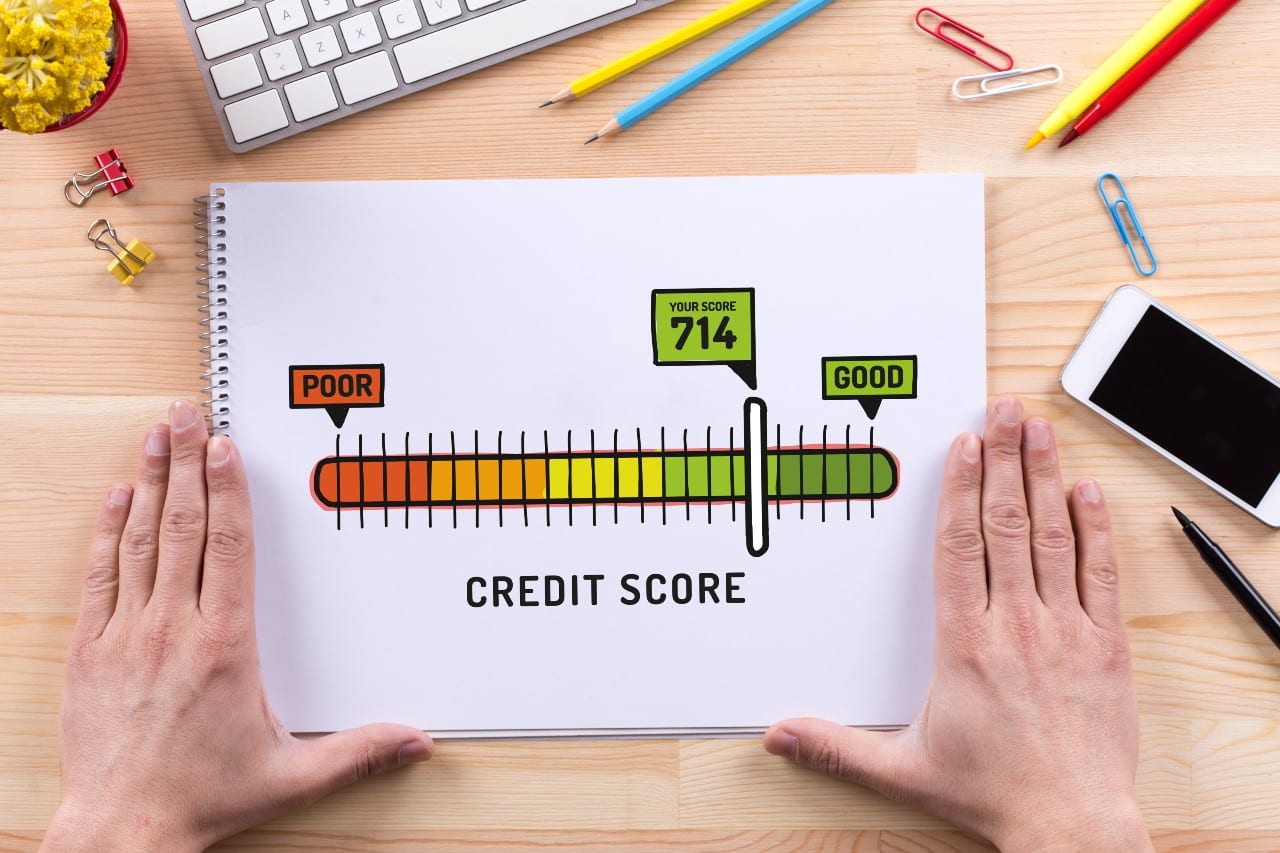
Keep an eye on your credit report. Confirm that discharged debts are reported correctly. Catch errors and take action quickly if a creditor starts reporting late or delinquent payments in your name.
Notify creditors of your separation in writing
This creates a clear record and may help prevent future misunderstandings.
Ask about options to remove your name from joint accounts
If you share credit cards, ask your lender about closing joint accounts and refinancing balances into individual accounts where possible.
Financial Tools To Help You Deal With Credit Card Debt After Separation Or Divorce
If your credit card debt is overwhelming after a separation or divorce, there are programs available that can offer a way out of this debt, including the following.
Debt Consolidation Loan
With a debt consolidation loan, you can combine multiple credit card balances and other high-interest debts into one new loan with a single monthly payment. This can help lower interest costs and lower your monthly payments, making repayment more manageable during a financially stressful transition.
Credit Counselling
If you’re having trouble understanding your options, speaking to a credit counsellor can help. They’ll review your financial situation, explain how different debt solutions work, and help you choose one that fits your needs. Options range from budgeting and repayment strategies to more formal solutions such as a debt management program (DMP). Which one you choose depends on your circumstances.
Final Thoughts
Dealing with credit card debt after a separation or divorce in Canada can feel overwhelming. It’s important to understand your rights and responsibilities. With the right information, you can protect your credit, avoid unexpected liabilities, and make the right decisions about repayment. Taking proactive steps now can help you achieve long‑term financial stability as you move into the next chapter.
FAQs
Responsibility depends on whose name is on the account. Creditors can only pursue the person listed on the credit agreement, regardless of what a separation agreement says.
Both people remain fully liable for the entire balance. If one person stops paying, the creditor can collect from the other cardholder.
Creditors will go after the person whose name is on the account. Even household expense charges. However, provincial family law dictates how marital credit card debt is handled and divided.
Typically, a credit card balance must be paid in full before a lender will agree to remove a borrower. You may need to pay off or transfer the debt before the account can be closed or separated.
The creditor can still hold you responsible, so be sure to make payments to protect your credit.
This article was produced and written by the financial experts at Loans Canada.