
Many people realize that the way they manage their credit card debt can have an impact on their credit score. What’s not as commonly known is all the ways in which it can affect it. Credit card limit, carrying a credit card balance, and utilization all play a role in how scores are calculated.
Let’s break down the impact of credit card debt, common pitfalls to avoid, and strategies to protect and improve your credit.
How Credit Card Debt Impacts Your Credit Score
Here are all the ways your credit card debt can affect your credit score:
1. Your Credit Card Payments
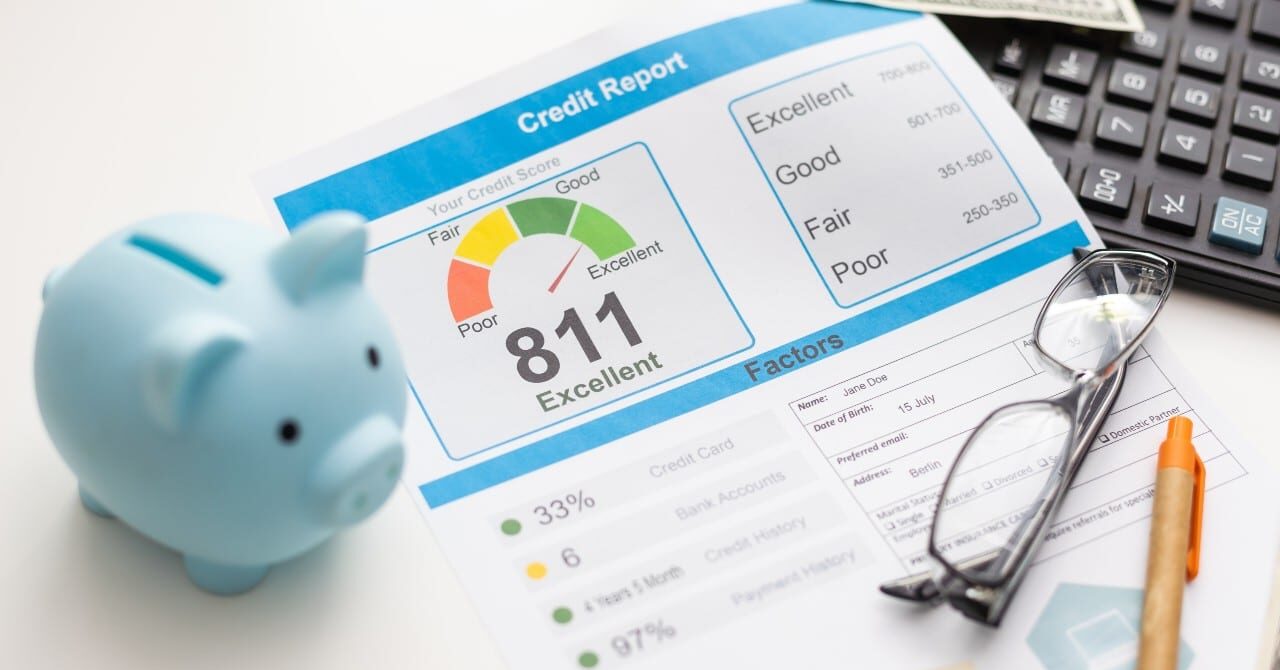
How you manage your credit card debt payments can directly affect your payment history. This is often the largest factor in your credit score (around 35%). When you carry credit card debt, you must make at least the minimum payment each month. Making those payments on time can help keep a positive payment history, which is good for your credit score. However, late or missed payments can hurt it.
Even one missed payment can cause a drop in your score. Late or missed payments can remain on your credit report for up to 6 years. That’s why staying on top of your credit card payments is the most important way to protect your credit score.
2. Your Credit Card Balances
The amount of credit card debt carried relative to the credit limit is another factor that affects your credit score.
This is measured by your credit utilization ratio (CUR). Your CUR makes up about 30% of your score and reflects how much of your available credit you’re using. When balances are too high relative to your limit, your score can decrease, even if you’ve never missed a payment.
Ideally, you should keep your utilization below 30% of your total credit limit. High credit utilization can also suggest that you might be under financial strain or rely too much on credit. It’s a red flag that can make lenders hesitant to offer more credit.
3. Number Of Open Credit Card Accounts
If you have multiple credit cards with balances, it can affect your credit score positively or negatively, depending on how you manage your credit card debt. When you have multiple credit card accounts alongside other types of credit, it can contribute positively to your credit mix. Your credit mix, worth around 10%, looks at the variety of credit types you use, such as credit cards, loans, or lines of credit. Having different types of credit can help your score by showing you can handle various financial products.
Similarly, how long you’ve been managing your credit card debt and how long your accounts have remained in good standing can also impact your credit score. The length of your credit history contributes roughly 15% of your credit score, and rewards accounts that have been open longer and handled responsibly.
Common Credit Card Mistakes That Can Hurt Your Credit Score
Here are several everyday habits that can hurt your credit score:
- Only Making Minimum Balance Payments: One common mistake is making only the minimum payment on your credit cards for long periods. While this keeps you from being late, it often means your balance stays high (or worse, grows), which can hurt your credit score by increasing your credit utilization.
- High Credit Utilization: Using too much of your available credit is another major issue. When your credit card balances are close to your limits, your utilization ratio rises, which can lower your credit score even if you make payments on time.
- Opening Too Many Credit Accounts: Frequently opening new credit cards to juggle debt is another mistake. Each application triggers a hard inquiry, and too many credit checks in a short time can seem risky to lenders.
- Closing Credit Card Accounts With A Balance: Closing old credit cards while you still carry balances can be harmful to your credit score. Plus, closing an account doesn’t erase the debt you already owe; your balances still need to be paid. It also reduces your available credit, which can raise your utilization, and it may shorten your credit history, both of which can work against your score.
How To Manage Credit Card Debt To Protect Your Credit Score
Creating a plan to manage credit card debt is one of the most effective ways to protect and strengthen your credit score. Here’s how to do it.
Make More Than The Minimum Payment
Paying more than the minimum helps you pay off debt faster, keep a positive payment history, and lower your credit utilization, all of which protect and even improve your credit score.
To help you repay your credit card debt, consider a repayment strategy that fits your situation. The snowball and avalanche are popular and effective methods to consider:
- Snowball Method: The snowball method focuses on paying off the smallest balances first and allows you to quickly move on to the next highest. This is ideal for those who want to see quick wins early on.
- Avalanche Method: The avalanche method targets the highest‑interest debts. This helps save money that is otherwise spent on the higher-rate debt.
Pay Before Your Statement Is Issued
To help protect and improve your credit, consider paying off some of your credit card debt before your statement credit is issued. This lowers the balance reported to the credit bureaus, helping keep your credit utilization low, which can help your credit score.
Set up Purchase Alerts
Most credit cards let you get instant alerts for purchases, payments, or balance thresholds. These alerts help you track spending in real time, which may help you avoid overspending and keep your balances low. This, in turn, can help improve your credit utilization ratio, which can help increase your credit score.
Credit Card Balance Transfer
A balance transfer can be a helpful tool to manage credit card debt, but it comes with pros and cons for your credit score.
- How it can help: Moving debt to a card with 0% interest can let you pay down balances faster and reduce your credit utilization ratio, which may improve your credit score.
- How it can hurt: Opening a new credit card triggers a hard inquiry and adds a new account, which can lower your score.
It’s also important to remember that balance transfers usually come with a transfer fee, and if you don’t pay off the balance before the promotional period ends, interest will start accruing on the remaining balance.
Final Thoughts
Your credit card debt affects your credit score through payment history, balances, and how you use credit. Making payments on time, keeping balances low, and using credit responsibly are the best ways to protect and improve your score. By actively managing your debt and following a smart repayment plan, you can stay in control of your credit card debt and build stronger credit.
If you’ve been struggling with debt, you’re just a phone call away from help. Trained credit counsellors will do a free, no-obligation consultation and offer suggestions on a path forward to debt-free living.
FAQs
Making only minimum payments keeps your account in good standing, but your debt grows with interest each billing cycle and can increase your credit utilization ratio.
Yes, paying your credit card debt on time and in full can help improve your credit score. It can help build a positive payment history and keep your credit utilization ratio low.
Your credit score can be affected as soon as your next statement is reported to the credit bureaus. High balances, missed payments, or late payments on that statement can influence your score, so staying on top of your credit card debt each month is key to protecting your credit.
This article was produced and written by the financial experts at Loans Canada.