

You log into your bank account, and your balance is much lower than you expected. Maybe the bank’s even frozen the account. Then you remember that your partner has fallen behind on their taxes. Could the CRA take money from your joint account, even if the tax debt isn’t yours? You search online for answers and quickly realize the information doesn’t agree. One source says joint accounts are protected. Another says it isn’t. So, which answer is right? The truth is, it depends. The rules around garnishment in Canada aren’t always straightforward. The rules depend on where you live, who is collecting the debt, and who owns the money in the account.
If you’ve found conflicting answers online, you’re not alone. The law is more complicated than many websites make it seem. Let’s look at why the answer isn’t as simple as yes or no.
What Is Garnishment?
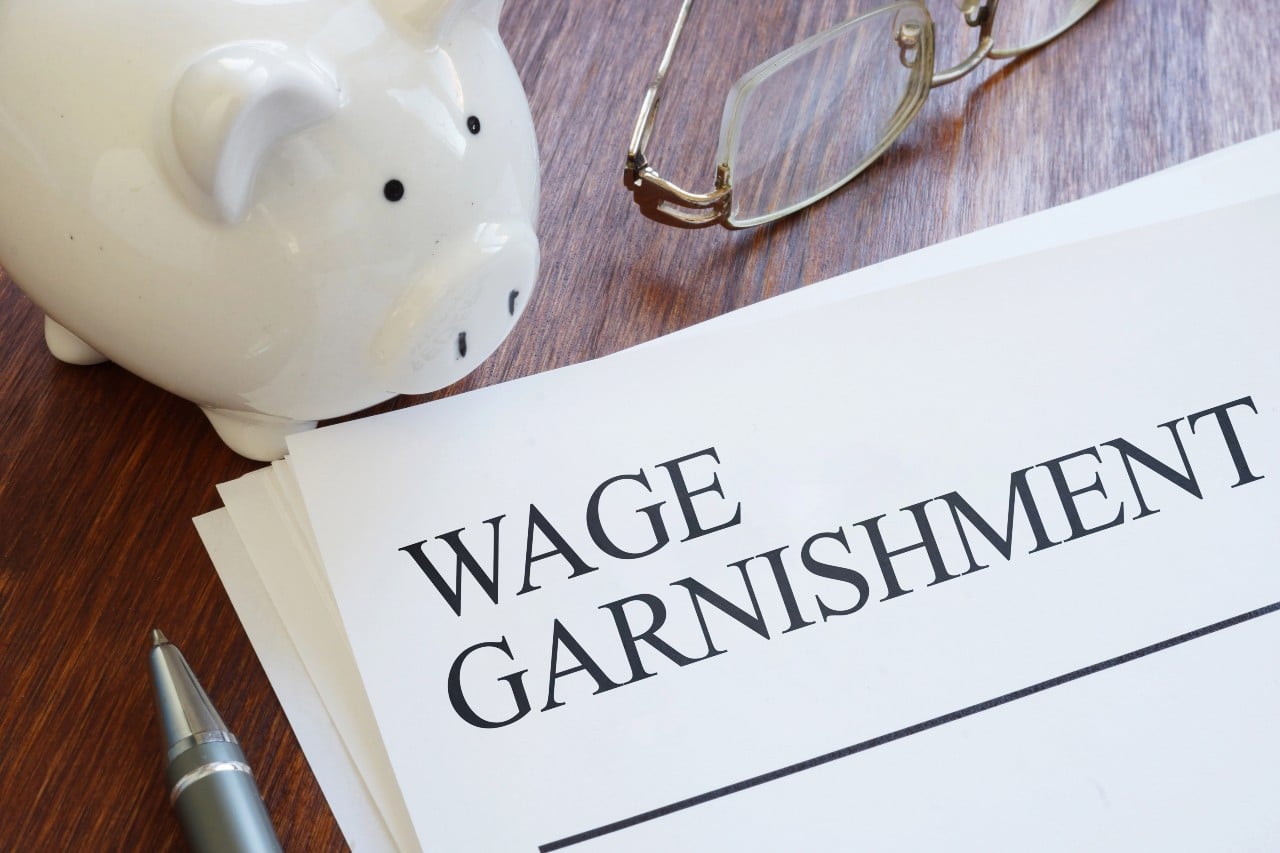
Garnishment is a legal process that allows a creditor to collect money you owe from a third party. That third party is typically your employer, your bank or credit union.
When people think of garnishment, they most often think of the process of removing salary or wages from someone’s pay before they receive the remainder. In these cases, following a court order or other legal authority, the employer sends a portion of earnings directly to the creditor. There are cases, however, that require banks to remove funds directly from the person’s account.
Why garnish someone’s wages?
Garnishment is usually one of the last steps in the debt collection process. It typically only happens if you haven’t worked out a repayment plan with your creditor or reached out to them.
Typically, the creditor has to go to court before they can take money from your pay or bank account. There are, however, some exceptions. For example, the Canada Revenue Agency (CRA) can collect unpaid taxes without going to court first. The rules for collecting unpaid child support can also be different.
How much of your money can be garnished?
The amount that can be taken from your wages depends on where you live and the type of debt you owe. Each province has its own rules that limit how much of your income can be garnished for most consumer debts. Different limits may apply to child support, student loans, or money owed to the CRA.
Because the rules vary across Canada, it’s important to check the laws in your province or get professional advice if you’ve received a garnishment notice.
If your bank account is garnished, there is generally no percentage limit on how much money can be taken. Unlike wage garnishment, where provincial laws often protect part of your income, money in your bank account may be seized up to the amount you owe. If you owe money to the CRA, they may also freeze your account and continue collecting funds until the debt is paid or other arrangements are made.
Can a Joint Bank Account Be Garnished?
Yes, but the answer isn’t always straightforward.
With a regular bank account, the answer is usually straightforward. If the account belongs to the person who owes the debt, the answer is usually simple. If the creditor has the legal right to garnish the account, they may be able to take money from it to pay the debt. Joint accounts are different because they belong to two or more people. If only one account holder owes the debt, figuring out who owns the money in the account can become much more complicated.
The ability to garnish a joint account depends on several factors. These include where you live, the type of debt, and who owns the money in the account.
Why Does the Answer Change?
The rules aren’t the same across Canada.
For example, in British Columbia, most creditors cannot take money from a joint account if only one of the account holders owes the debt. Garnishing a joint account is, however, allowed if both account holders owe the debt.
In Ontario, the rules are different. Creditors can garnish up to 50% of the money in a joint account. Even if it’s only one account holder who owes the debt. The other account holder has the opportunity to show that a different share of the money belongs to them.
It also matters who is collecting the debt. Most credit card companies and other lenders must first obtain a court judgment before trying to garnish a bank account. The Canada Revenue Agency (CRA) is different. It has more power to collect unpaid taxes and usually doesn’t need a court order before taking money. Unlike most creditors, the CRA doesn’t have to follow the same provincial garnishment rules. This means it may be able to take money from a joint account even if only one account holder owes the tax debt. However, the other account holder may still be able to show that some or all of the money belongs to them.
That’s why you may find different answers when researching this topic online. That’s why you can find two websites that give different answers, and both can be right. They may be talking about different provinces, different types of debt, or different situations.
If you’re researching your own situation, make sure the information you’re reading applies to both your province and the type of debt you owe.
The Bottom Line
Whether a joint bank account can be garnished isn’t always a simple yes or no. It depends on where you live, the type of creditor, and the circumstances surrounding the debt. The rules can be confusing, but one thing is always true: the sooner you deal with the problem, the more options you’ll have.
If you’re worried that you’re in a situation where your wages or bank account could be garnished, don’t wait until money starts disappearing from your account. Contact one of our Credit Counsellors. They can explain your options and help you make a plan before things get worse.