
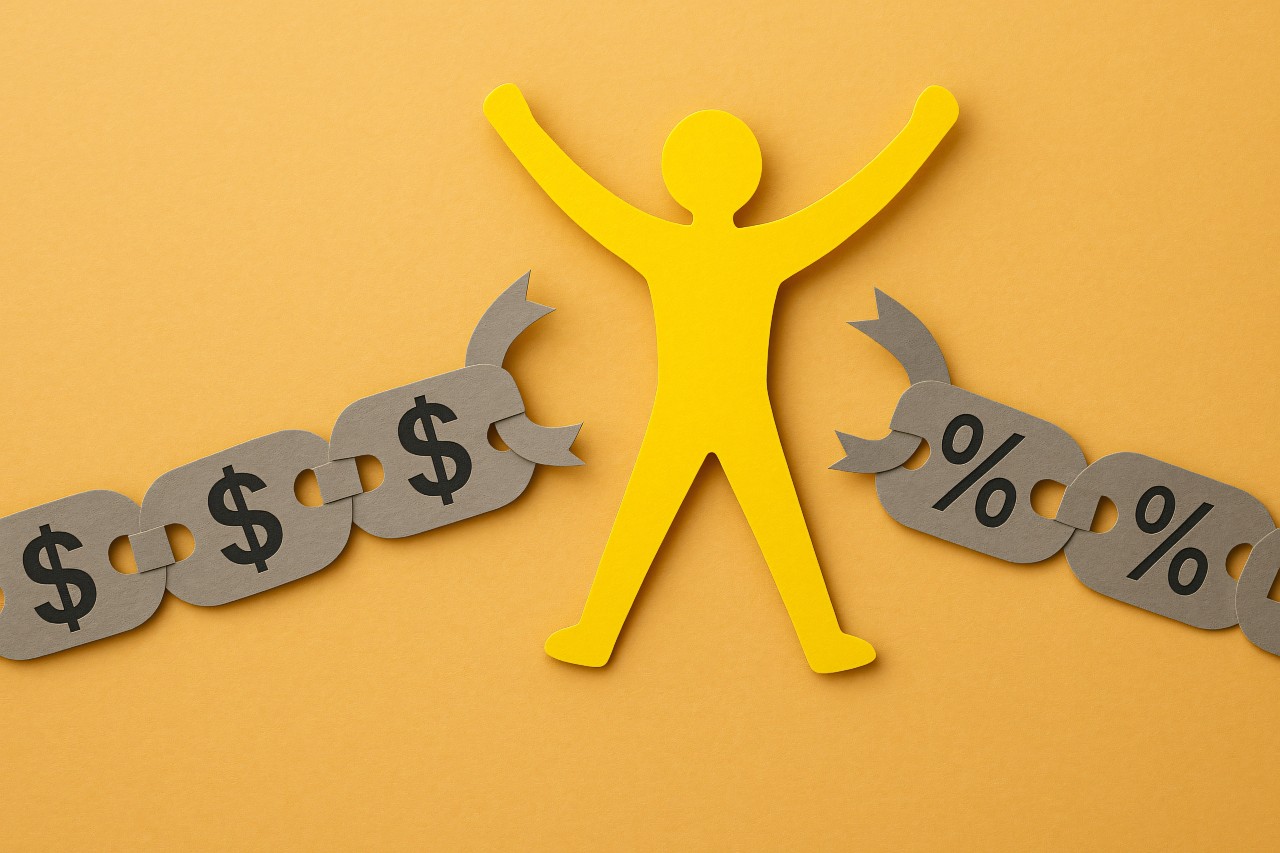
You’re here because you’re carrying debt and are ready to get rid of it! Before we jump into building a plan to pay off debt fast, let’s take a second to get clear about a couple of things. First, know that many of your friends, loved ones, and co-workers could also be carrying debt. Debt and money aren’t things we talk about often (or ever), and that can leave you feeling alone. Know that you’re not alone and that carrying debt isn’t something to be hard on yourself about. Second, getting out of debt isn’t easy, and there is no one-size-fits-all solution for how to get out of debt. That being said, getting out of debt isn’t impossible either. There is hope for a life where you feel in control of your finances instead of the other way around.
Getting started
The first step is getting a clear picture of your debt. This helps you build a plan to pay off the debt and track your progress. Get started by setting a timer for 10-15 minutes and telling yourself when it goes off that you can stop. This can reduce any resistance to starting.
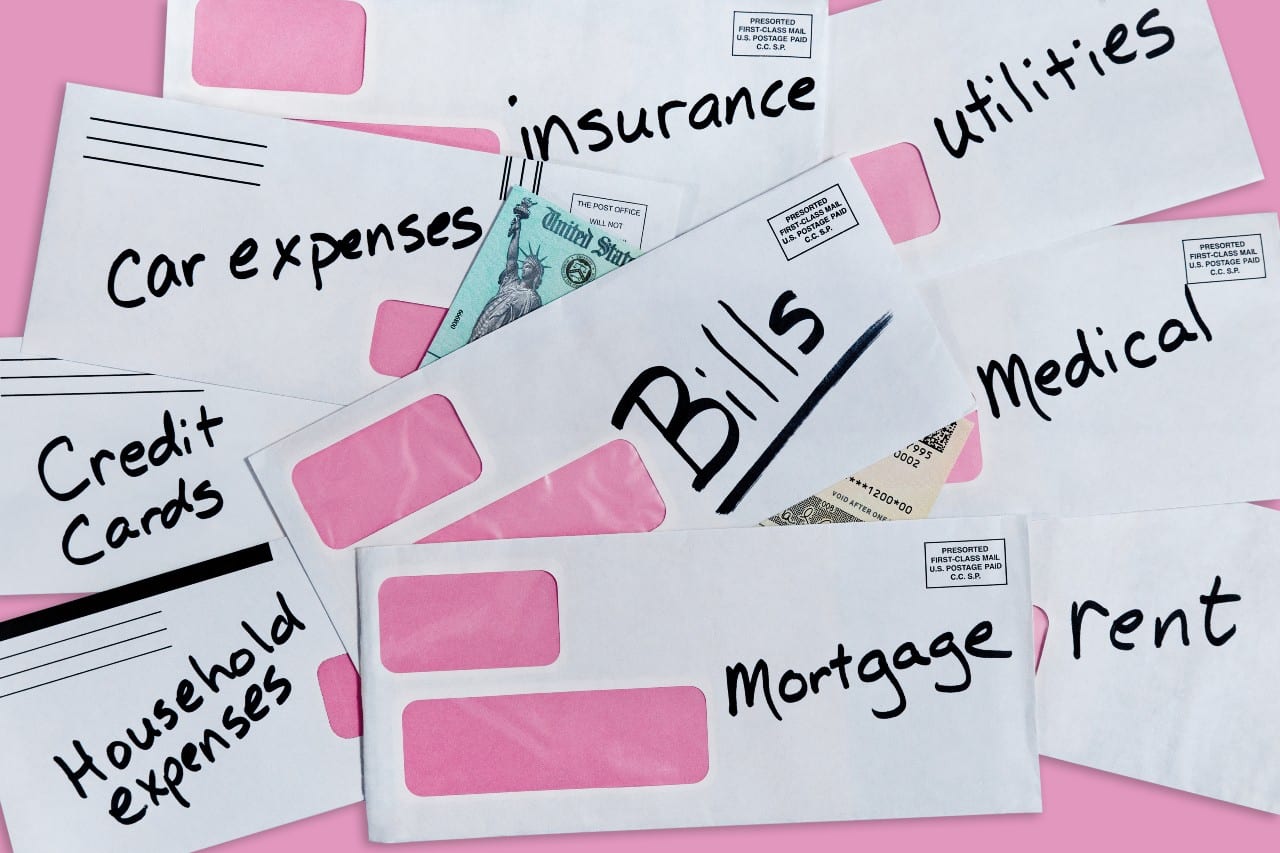
List every loan, credit card, line of credit, or any other debt you have (include secured and unsecured). Include the balance, interest rate, and minimum payment for each account. Remember, this list is not meant to judge you. It is a tool to help you decide what to do next.
This is also a good time to look at your credit reports. Checking for errors can protect your credit score, especially if you have struggled with bad credit or hope to borrow money later for something important.
Choose a repayment method
A key step that is often missed when building plans for how to get out of debt is to stop using your credit cards. You could also pay off new purchases right away. If you continue to use your cards, it’s like you are trying to fill in a hole while someone else is still digging it. It becomes an impossible task.
Once you’ve got clarity on your debts and a plan to not add to them, the next step is to choose a debt repayment method. The debt snowball and debt avalanche are the two most common approaches. For any debt payoff method, the approach starts out the same. The first step is making the minimum payment on all your debts.
The next step is focusing on which debt you put any extra payment towards. It varies depending on the method you choose.
- The debt snowball method starts with the debt with the smallest balance.
- This method can create momentum if you have one or more debts with smaller balances.
- If your balances are higher or very similar, this may not be the best method for you.
- The debt avalanche method focuses on the debt with the highest interest rate first.
- This approach can save more money in the long run because it reduces the debt that is adding the most interest each month.
- If your highest interest debt is also your largest balance, it will take longer to see your progress.
The power of these strategies is in what you do after you pay off your first debt! When that happens, you move on to your next debt. The money you were putting towards the first one (including the minimum payment) then goes to the next debt on your list. As each debt is paid off, you have more to hit the next one with!
Both the snowball and avalanche approaches work, and you don’t have to stick with one method through your whole debt payoff journey. You can customize your plan to work best for you!
Speed up your debt payoff
Create momentum and clearly see your wins by tracking your progress regularly. Building in rewards along the way can also help you stay focused and motivated!
A budget is also an essential part of any plan to pay down your debt. It will help you optimize your debt payments, ideally without feeling deprived. Start by looking at your spending for the last one to three months. Look for areas where your spending is out of alignment with what’s important to you. Even modest changes can create space for faster debt repayment. There are many different ways to budget, and you may have to try a few to find what works.
Increasing income can also speed up your debt payoff. Even a bit of extra income can cut down on your debt payoff timeline. Look for opportunities to pick up extra shifts, sell unused items, or take on small freelance projects.
Do I have other options?
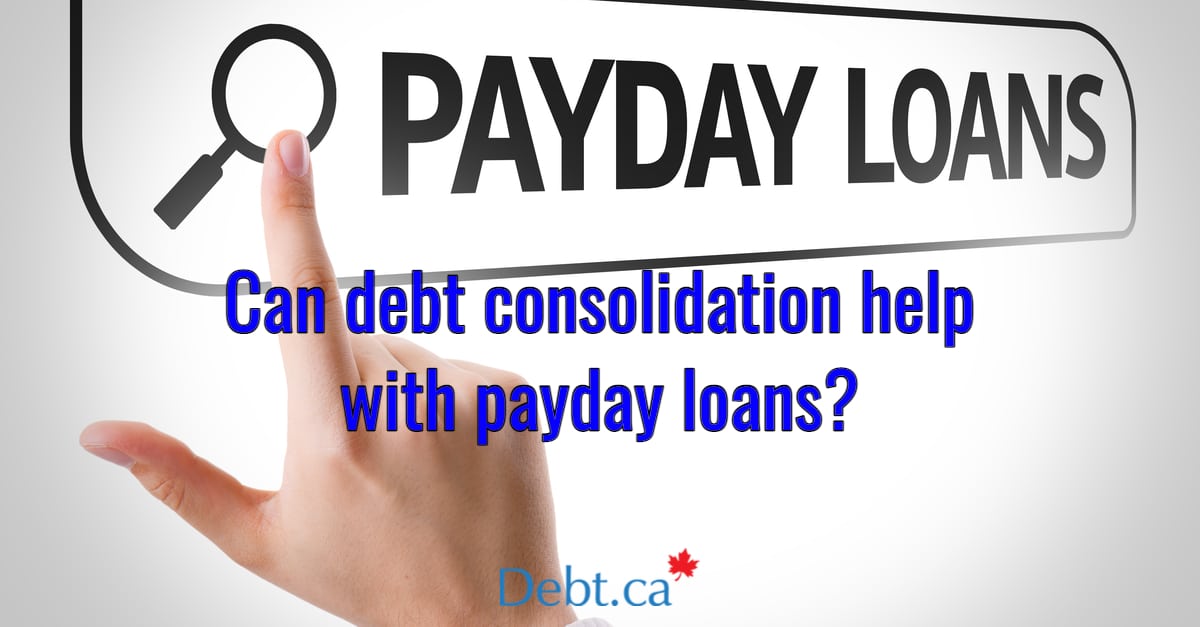
For some people, managing multiple payments is challenging. If that sounds familiar, debt consolidation could make life easier. There are several ways to consolidate debt. One option is a consolidation loan. Debt consolidation loans group multiple debts into one predictable monthly payment, sometimes at a lower rate than your credit cards or other loans.
Another option is using a balance transfer credit card offer. These allow you to transfer credit card balance(s) from one credit card to another that offers a temporary low interest rate. Some cards offer promotional periods with very low or zero percent interest. This can give you space to pay down your debts faster.
If you own property, using some of your home equity could be an option. This can sometimes offer a lower rate than typical credit products. However, it requires caution. If you cannot keep up with payments, your home becomes part of the risk.
Another effective option to pay off debt is a Debt Management Plan. This is when a Credit Counselling agency negotiates with your lenders on your behalf to reduce or eliminate your interest. You would then submit a monthly payment to the agency, which will then disburse it to each of your creditors.
No matter which debt repayment method you explore, avoid using your newly cleared cards to take on more debt. Consolidation works best when it gives you a fresh start rather than a new cycle.
Is high interest slowing your progress?
Interest can leave you feeling stuck with your balances barely moving with minimum payments. Lowering interest rates even by a little bit can have a big impact. Did you know you can call your lender to ask for a lower rate? It doesn’t always work, but it’s worth a try.
If you have debts with variable interest rates, it’s a good idea to keep an eye on any changes in the Bank of Canada rates. Changes in rates affect your minimum payments and impact future borrowing decisions.
Moving forward
Becoming debt-free is a journey, and how long it will take depends on many factors. Small, steady actions make a meaningful difference, but if you’ve crunched the numbers and are still feeling overwhelmed, consider exploring other debt help options.