

Every year, Canadian families prepare for another round of back-to-school shopping. While it is exciting to watch children head back to the classroom, the shopping list can quickly grow. There are school uniforms, art supplies, electronic accessories and other essentials to include. Many families end up spending more than they expected.
According to Statistics Canada, the cost of many everyday items has gone up over the past few years. That makes planning your back-to-school shopping budget more important than ever.
There are plenty of ways to save money during back-to-school shopping. Some take a little planning, while others are as simple as waiting for a sale or getting creative with what you already have. The key is knowing what to buy, what to skip and when to spend.
Start with a list, and stick to it
It is easy to overspend if you shop without a plan.
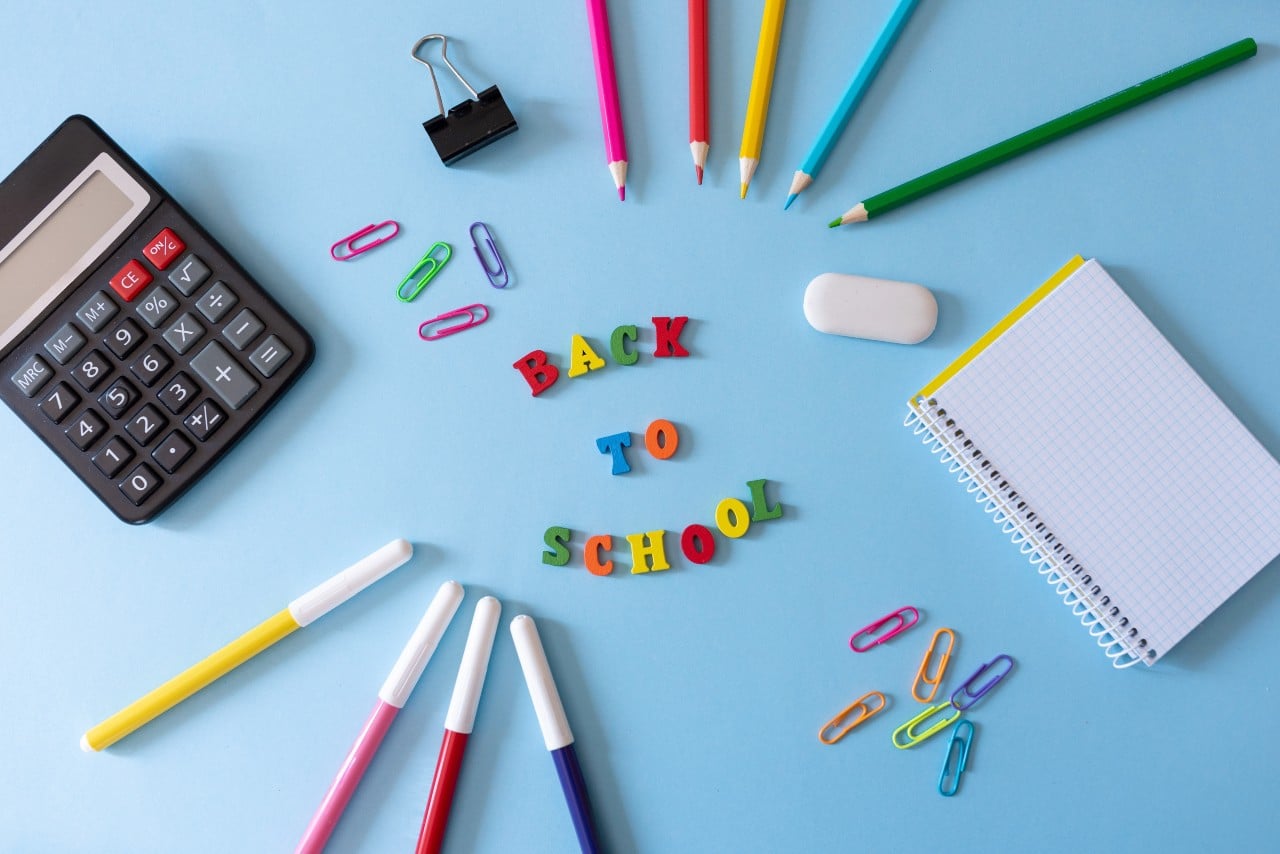
Before you visit any department stores, make a checklist instead of buying things as you go. Check your school’s website or welcome email. Then, organize your list by priority. Your checklist may include items such as colored pencils, a glue stick, index cards, a pencil case, hand sanitizer, art supplies, a combination lock, and other school essentials.
Not everything needs to go into your cart on the first trip. Focus on what your child will need from the first day of school. Leave non-essential purchases until later if necessary.
Check what you already have
Before buying anything new, take a few minutes to look around your home. Many families already have good office supplies tucked away in a desk drawer or closet. You may even find backpacks, calculators, rulers, binders or extra notebooks. If something only needs a quick clean or repair instead of a replacement, that is even better for your budget.
In addition, think about whether every item really needs a physical version. Depending on the school’s requirements, some study materials may be available in digital formats. Choosing digital alternatives where appropriate can help reduce both costs and clutter.
Compare prices and consider buying second-hand
One store rarely has the best price on everything. Spending a little extra time doing price comparisons can help you save much more than you might expect.
Look at prices in department stores, browse an online store and do not forget to check local retailers or a small business in your community. Many retailers also offer price matching. Use this feature to get the lowest advertised price without making multiple trips across town.
Not everything has to be bought brand new, either. Calculators, backpacks, or even a laptop can often be found second-hand in excellent condition. Check your local buy-and-sell groups or community marketplaces for second-hand deals. Just be sure to check that everything is in good working order before making the purchase.
Do not let sales fool you
Everyone loves a good deal, especially during back-to-school shopping season. It is common to find sales events, especially on backpacks, workwear, shoes, toiletries and even expensive electronic accessories.
One of the best ways to make the most of these sales is to plan. Waiting until the last minute to shop often means fewer choices and less time to compare prices. Knowing what your child needs before you shop makes it easier to recognize a genuine bargain. It’s also easier to walk away from discounts on things you were not planning to buy.
This is also a great opportunity to talk to your children about economics and marketing. Understanding how advertising influences buying decisions is an educational lesson that can benefit you. If you struggle with impulse purchases, know that there are times it makes sense.
Buy the must-haves first
It is easy to feel like your child needs everything before the first day of school, but that’s rarely true. Start with the must-have items and wait until classes begin before buying anything extra.
Focus on the items your child will use every day. If something is not needed right away, it can usually wait until a later sale. Examples include extra art supplies, a second pencil case, or optional accessories. Doing this also gives you more flexibility if there are new items to buy later in the school year.
Saving money on school supplies is only one part of managing education costs. Learn about the Registered Education Savings Plan (RESP) and how families can start saving for future education.
Try a few DIY projects
Not every school item has to come from a store. Before adding another product to your shopping cart, think about what you can make yourself. Simple projects like homemade book covers or personalized labels can cost much less.
DIY projects can also become a fun family activity before the new school year begins. Make your own pencil holders from recycled containers, create homework charts, or sew a simple pencil case if you already have fabric at home. Your child will end up with something unique to bring into the classroom while spending quality time together as a family.
Every family approaches back-to-school shopping differently, and there is not one “right” way to save. Whatever method works best for your family, the goal is not to spend as little as possible. Instead, it is to spend wisely on the things that matter most.